Build Projects That Match Your Vision
Custom Hot Rod & Street Performance Builds in Stanfield for complete vehicle fabrication, engine swaps, and performance-focused modifications
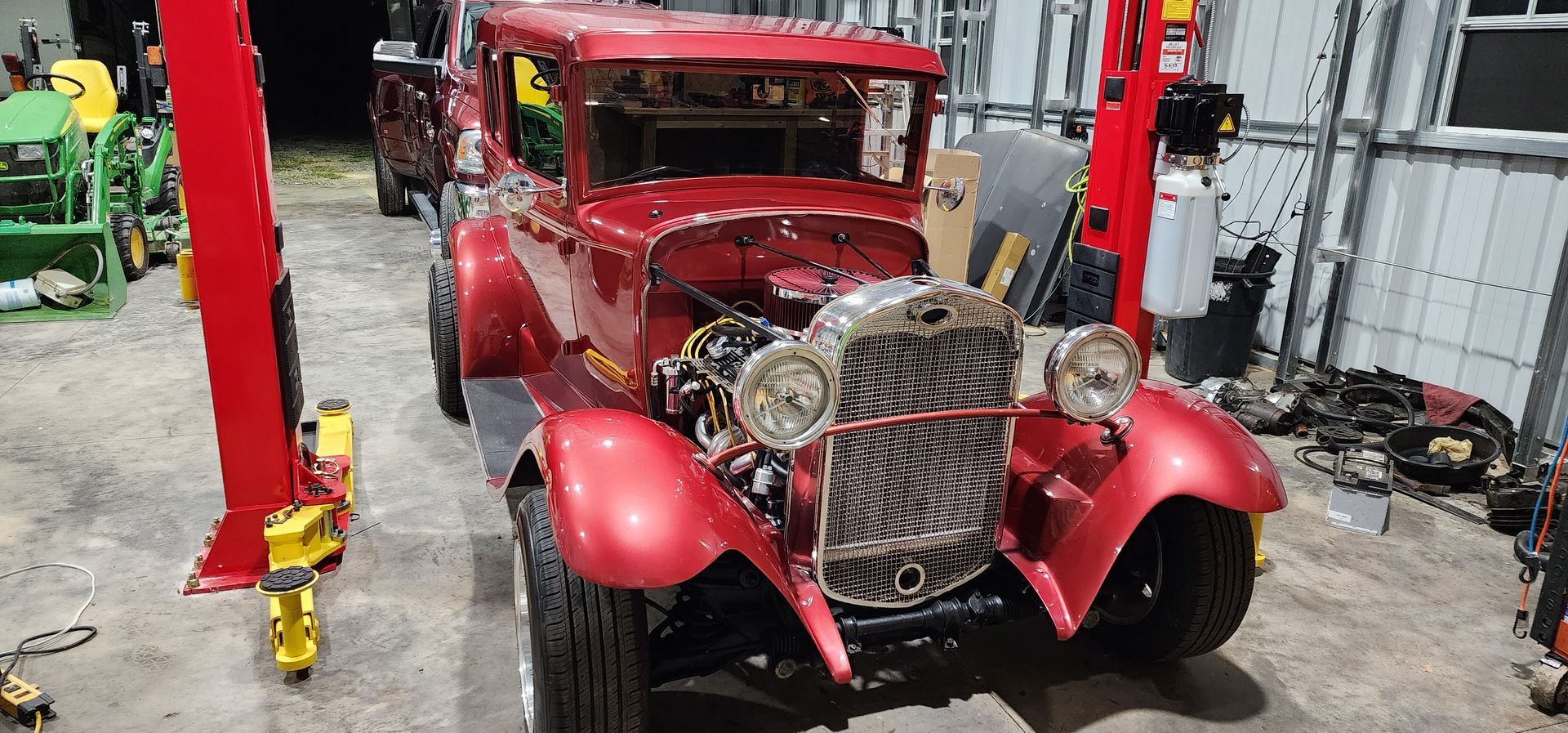
Custom hot rod construction starts with your concept for what the finished vehicle should look like and how it should perform, then works through fabrication challenges, component selection, and system integration to create something that didn't exist before. Maybe you want a classic body sitting on a modern chassis with contemporary suspension geometry and braking power, or you're building a street machine around a specific engine combination that requires custom mounts, exhaust routing, and cooling system design. Old Soul Garage handles full project builds from initial planning through final tuning, working on traditional hot rods with vintage American V8 engines and modified street cars that blend multiple vehicle platforms into single builds.
Project management involves coordinating fabrication work with component installation, ensuring that custom chassis modifications don't interfere with brake line routing or exhaust placement, and solving clearance issues that emerge when fitting larger engines into spaces originally designed for smaller powerplants. Engine swaps require adapting transmission mounting, modifying crossmembers for proper placement, and fabricating motor mounts that position the engine at correct angles for driveline alignment.
Set up a consultation to discuss your build goals, timeline expectations, and which components you've already sourced versus what needs specification.
What Complete Custom Fabrication Actually Accomplishes
Custom builds progress through distinct phases where chassis work establishes the foundation, drivetrain installation defines performance capabilities, and finishing details create the aesthetic you envisioned. Suspension customization includes determining ride height that balances appearance with practical ground clearance, selecting spring rates that support vehicle weight without harsh ride quality, and positioning components for proper geometry throughout suspension travel. Brake system upgrades involve calculating weight distribution and expected power output to size master cylinders and calipers appropriately, then fabricating mounting brackets that position components securely while maintaining access for maintenance. Fuel system modifications ensure adequate flow for increased power demands through larger lines, higher-capacity pumps, and properly sized filters that prevent debris from reaching injectors or carburetors.
When your custom build is complete, you have a vehicle that performs exactly as planned with throttle response matching the engine combination you specified, handling characteristics that feel predictable and controllable through corners, and stopping power appropriate for the performance level. The fabrication work is clean with welds ground smooth, brackets designed for both strength and appearance, and all systems accessible for future service work without requiring major disassembly.
Build timelines vary significantly based on fabrication complexity and parts availability, with straightforward engine swaps into common chassis taking weeks while complete custom builds requiring extensive metalwork spanning months. Communication throughout the project keeps you informed about progress, problems that require design decisions, and opportunities to modify plans based on how components actually fit versus original assumptions.
Questions Before Starting Your Project
Custom builds involve countless decisions about component selection, modification approach, and performance priorities that determine what the finished vehicle will be capable of and how it will feel to drive.
What makes engine swaps more complicated than just bolting in a different motor?
Modern engines include computer control systems that need integration with vehicle wiring, exhaust routing must clear steering and suspension components in spaces designed for different manifold configurations, and cooling systems require custom radiator sizing and fan placement based on new engine heat output.
How do you decide between restoration and custom modification for classic vehicles?
Restoration preserves original specifications and maintains historical accuracy but limits performance and reliability to period-correct levels, while custom builds sacrifice originality to gain modern drivability, safety features, and power output that makes vehicles practical for regular use.
What suspension modifications improve handling without ruining ride quality?
Upgrading to adjustable shocks lets you tune damping for comfort versus control, installing larger anti-roll bars reduces body lean during cornering without stiffening springs, and adding modern bushings with proper durometer ratings maintains compliance over bumps while reducing unwanted movement under load.
Why do fuel system upgrades matter for performance builds?
Increased engine output requires proportionally more fuel flow, and inadequate pump capacity or restrictive lines cause fuel pressure to drop during acceleration, leaning out air-fuel ratios enough to cause detonation that damages pistons regardless of octane rating.
What aspects of custom builds take longest to complete?
Custom fabrication work progresses slowly because each bracket and mount must be designed, test-fitted, modified until clearances are correct, then finished properly with all fabrication completing before paint or coating application that protects metalwork long-term.
Old Soul Garage provides realistic timelines based on fabrication requirements and coordinates parts ordering to prevent delays from components arriving after they're needed during assembly. Reach out to start planning your build with detailed discussion about performance goals, budget parameters, and which compromises make sense for how you'll actually use the finished vehicle.