Check Engine Lights That Won't Clear
Computer Diagnostics & Troubleshooting in Stanfield for persistent warning lights, performance problems, and fault codes that reappear after reset
Your check engine light illuminates when sensors detect conditions outside normal operating parameters, storing fault codes that point toward specific systems rather than individual components. Old Soul Garage uses computer diagnostics to read these codes, then performs component-level testing to confirm which part actually failed since codes indicate symptoms rather than definitive diagnoses. The shop serves Stanfield drivers dealing with engines that run rough despite clean emissions tests, transmissions that shift hard without obvious mechanical damage, and electrical systems that trigger warnings without visible failures.
Modern vehicles monitor dozens of sensors simultaneously, comparing readings against expected values to detect misfires, fuel mixture problems, and emissions system faults. A stored code for an oxygen sensor might actually indicate a vacuum leak that's causing incorrect readings from a functioning sensor, which is why code reading alone doesn't constitute proper diagnosis. Computer scanning reveals real-time data streams that show sensor voltages, fuel trim adjustments, and ignition timing values while the engine runs under various load conditions.
Arrange a diagnostic session to determine what's triggering your warning lights and affecting performance.
How Computer Diagnostics Addresses Engine Performance Problems
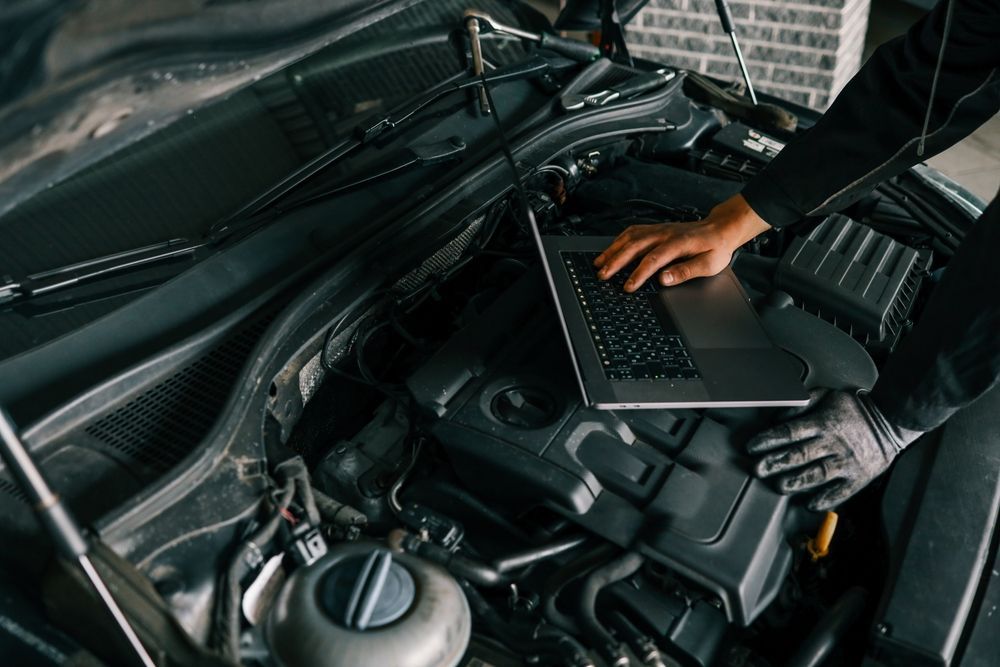
The process involves connecting scan tools that communicate with your vehicle's control modules, retrieving both active and pending fault codes, then watching live data while replicating the conditions that trigger the problem. You'll see fuel pressure readings, throttle position percentages, and mass airflow sensor values that reveal whether components are responding correctly to changing driving demands. Misfire codes get narrowed down through cylinder-specific compression testing and ignition system checks that identify whether spark plugs, coils, or mechanical valve issues are causing the incomplete combustion.
Once diagnostics identify the failed component and Old Soul Garage completes the repair, your engine idles smoothly without the surging or stumbling that indicated sensor or fuel delivery problems, warning lights remain off through multiple drive cycles, and throttle response returns to the immediate acceleration you expect when pressing the pedal. Transmission shifts occur at proper RPM points without the harsh engagement or delayed response that suggested computer control problems.
Diagnostic work also catches problems before they trigger warning lights, since data stream analysis reveals sensors that are drifting out of range or components that are responding slowly enough to affect performance without yet meeting the threshold for code storage. Preventive sensor replacement based on diagnostic evidence prevents breakdowns and maintains optimal fuel economy.
Common Questions About This Service
Vehicle computers store valuable information about system performance, but interpreting that data requires understanding what each sensor monitors and how control modules respond to abnormal readings.
What's the difference between reading codes and performing diagnostics?
Code reading identifies which system triggered a warning, while diagnostics involve testing components within that system to find the actual failure since multiple component problems can generate the same fault code.
Why do check engine lights come back after being cleared?
If you clear codes without repairing the underlying problem, the control module detects the same fault condition during the next drive cycle and re-illuminates the warning light, often within minutes of starting the vehicle.
How do scan tools differ from code readers?
Basic code readers retrieve stored fault codes and their generic descriptions, while professional scan tools access live data streams, perform actuator tests, and communicate with all control modules rather than just the engine computer.
What causes intermittent codes that appear and disappear?
Loose electrical connections create intermittent sensor signals that trigger codes during certain driving conditions, then clear when vibration or temperature changes temporarily restore contact between corroded terminals.
When should diagnostic work happen even without warning lights?
Performance changes like reduced fuel economy, rough idling, or sluggish acceleration indicate problems that might not yet meet the thresholds for code storage but show up clearly in sensor data streams during live monitoring.
Diagnostic reports from Old Soul Garage include explanations of what each fault code indicates and which component testing confirmed the actual failure point. Book a comprehensive diagnostic scan if you're planning a long trip and want confirmation that all vehicle systems are operating within normal parameters.