Stopping Distance That Keeps Increasing
Brake & Suspension Repair in Stanfield for vehicles pulling to one side during braking, rough ride quality over uneven pavement, and worn components affecting handling
Your brake pedal travels further toward the floor before engagement happens, steering wanders slightly during highway driving without input from you, and bumps you once barely noticed now send harsh impacts through the cabin. These changes indicate brake pad material wearing thin enough to increase caliper piston travel, suspension bushings degrading until control arms shift under load, and shock absorbers losing their damping oil so they no longer control spring oscillation. Old Soul Garage addresses these problems through brake pad and rotor replacement, suspension component repair, and shock and strut installation that restores factory ride characteristics and stopping performance.
Brake work involves measuring rotor thickness against minimum specifications, examining pad material for even wear patterns, and testing caliper operation to confirm pistons aren't sticking partially engaged. Suspension repair requires identifying which specific bushings or joints have developed play, since replacing only the most obviously worn parts while leaving other degraded components creates uneven wear patterns that cause premature failure of new parts.
Schedule a brake and suspension evaluation to determine which components need replacement now and which require monitoring.
What Changes After Brake and Suspension Systems Are Restored
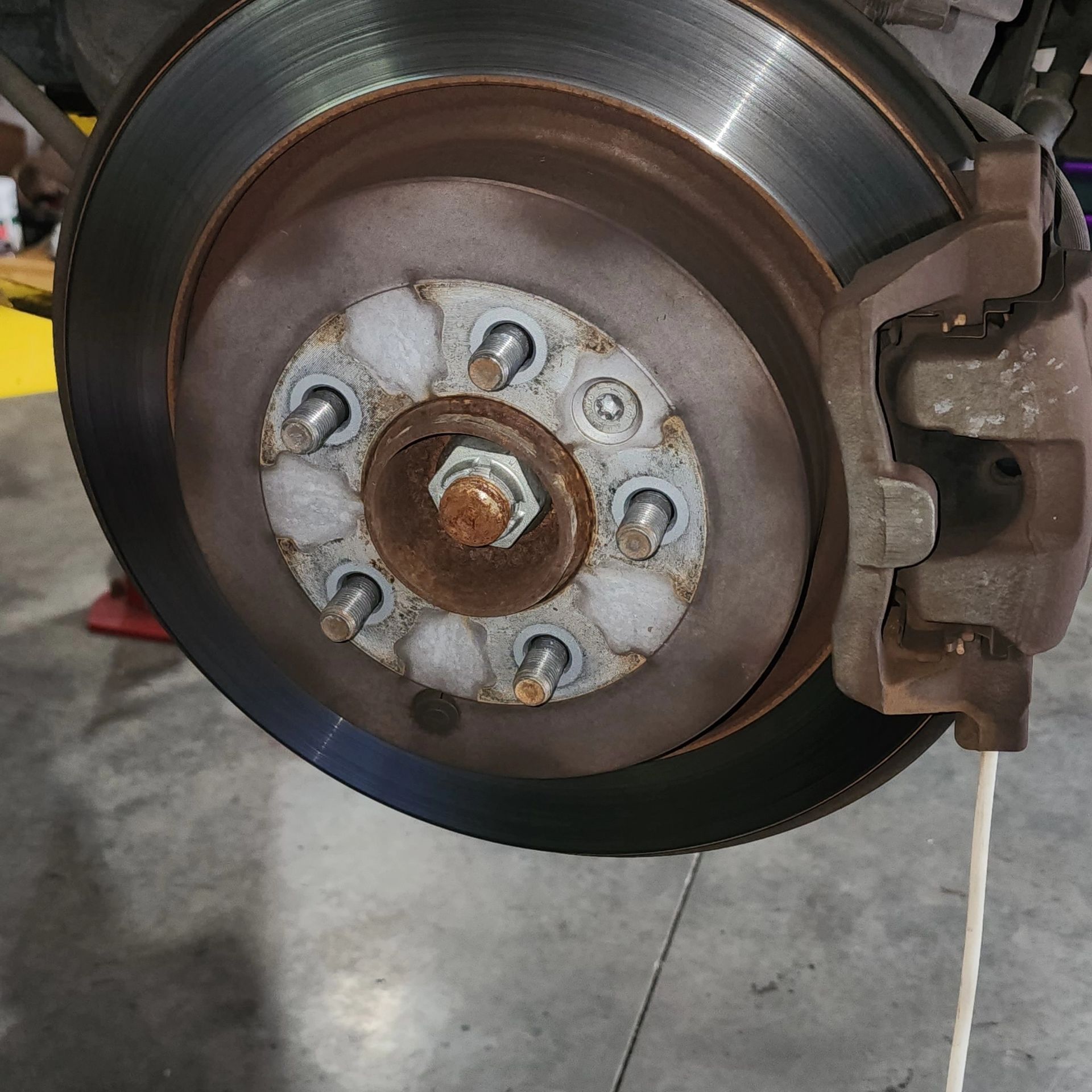
Brake service includes machining or replacing rotors that have developed thickness variations causing pedal pulsation, installing pads with appropriate friction material for your driving style, and lubricating slide pins so calipers move freely without binding. Suspension work replaces worn ball joints that allow wheel assemblies to move independently of steering input, installs new control arm bushings that eliminate clunking sounds over bumps, and fits shocks or struts that restore proper damping so your tires maintain road contact through dips and rises. Performance suspension upgrades lower ride height for improved handling response, stiffen spring rates to reduce body roll during cornering, and install adjustable components that let you fine-tune ride quality for specific uses.
After Old Soul Garage completes brake and suspension repair, your vehicle stops in noticeably shorter distances with pedal effort that remains consistent through the full range of travel, steering input produces immediate directional changes without the delay that indicated worn bushings, and your suspension absorbs pavement irregularities without transmitting harsh impacts to the cabin or causing your vehicle to bounce after hitting bumps. The pulling to one side that required constant steering correction during braking disappears completely.
Brake work should include proper bedding procedures where new pads and rotors get heat-cycled gradually to transfer friction material evenly, preventing the glazing that reduces stopping power. Suspension repairs often require alignment afterward since replacing components changes ride height and control arm angles enough to put toe and camber settings outside specification ranges.
Answers to Frequent Service Questions
Brake and suspension systems wear gradually, so changes happen slowly enough that you might not notice degradation until comparing current performance to how the vehicle handled when components were new.
What causes brakes to pull to one side during stopping?
Sticking caliper slide pins prevent even pad contact with rotors, contaminated brake fluid absorbs moisture and creates air pockets that compress unevenly under pressure, or one side has significantly more wear than the other from previous partial repairs.
How do you know when shocks or struts need replacement?
Visible oil leaking from shock bodies indicates seal failure and lost damping fluid, your vehicle bounces more than once after hitting a bump, or tire wear shows cupping patterns from wheels hopping across pavement instead of maintaining consistent contact.
Why do rotors sometimes need replacement instead of just new pads?
Rotors wear thinner with each brake application through heat and friction, eventually reaching minimum thickness specifications where additional machining would create rotors too thin to dissipate heat safely without warping under heavy braking.
What suspension problems are common in North Carolina climate conditions?
Rubber bushings dry out and crack from heat exposure during summer months, ball joint boots tear from temperature cycling between hot days and cool nights, and shock seals degrade faster in humid conditions that accelerate corrosion of piston rods.
When should brake fluid get replaced regardless of brake pad condition?
Fluid absorbs moisture over time, lowering its boiling point until water content causes brake fade during hard stopping from highway speeds, typically requiring replacement every three years even if pads show adequate remaining thickness.
Repair priorities from Old Soul Garage start with components affecting safety and control, followed by parts that will cause additional damage if left unaddressed. Set up an assessment appointment if your vehicle shows any handling changes or unusual sounds from wheel assemblies during braking or cornering.